 Zaragoza Hub
The year 1963 marked a turning point in the history of Real Zaragoza. After several seasons of ups and downs, the club decided to make radical changes to its structure, starting with the hiring of a young and ambitious coach: Luis Aragonés. This move not only brought a new playing philosophy but also motivated a generation of footballers who would soon become legends of the club.
Under Aragonés's leadership, the team began to play dynamic and offensive football, which quickly translated into positive results. Among his new signings was the talented forward Fernando Cáceres, whose goal-scoring ability was crucial in revitalizing Los Maños' attack. Alongside him, other players like Paco Buyo and Juanito contributed their experience and quality, forming a solid and competitive unit.
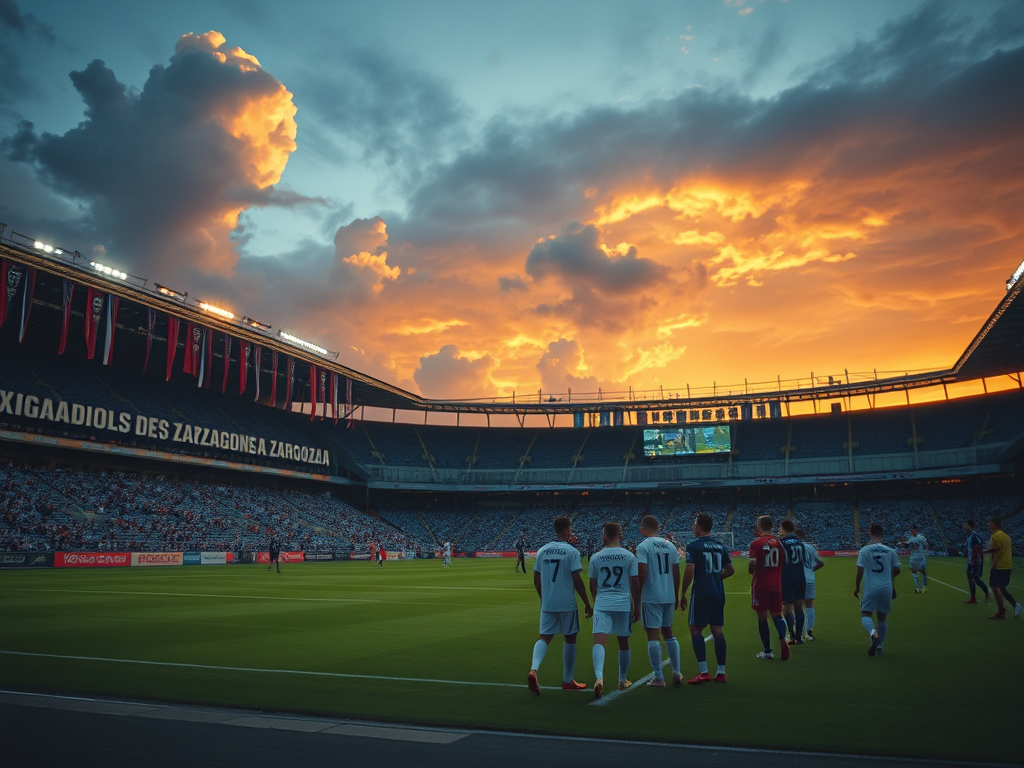
The 1963-64 season was not only one of the most successful for the club, but it also laid the groundwork for the future. With an attractive playing style, Zaragoza reached the semifinals of the Copa del Rey, a milestone that ignited the passion of the fans and revitalized local support. The supporters, known for their fervor and loyalty, began to fill the stands of Estadio La Romareda, creating an unparalleled atmosphere that turned the venue into a fortress for the team.
This rebirth of Real Zaragoza was felt not only locally but also began to attract the attention of media and scouts across the country. The club became a reference point in Spanish football, and its new strategic approach did not go unnoticed. The revolution of 1963 was a clear example of how vision and determination can transform a struggling club into a serious contender.
Years later, the legacy of that season still resonates in the hearts of the fans. The foundation laid by Aragonés and his team not only led Zaragoza to conquer titles but also established an identity that endures to this day. The story of Los Maños is a testament to the fact that with hard work and a clear vision, any challenge can be overcome. That revolution marked not just a change in victories, but also in how the club viewed itself and its future. Today, as Real Zaragoza strives to regain its glory in the Segunda División, the spirit of 1963 lives on in every fan who dreams of seeing their team back in the elite of Spanish football.